Cardiff’s long-delayed transport revolution
Deadlines are missed and progress is frustratingly slow

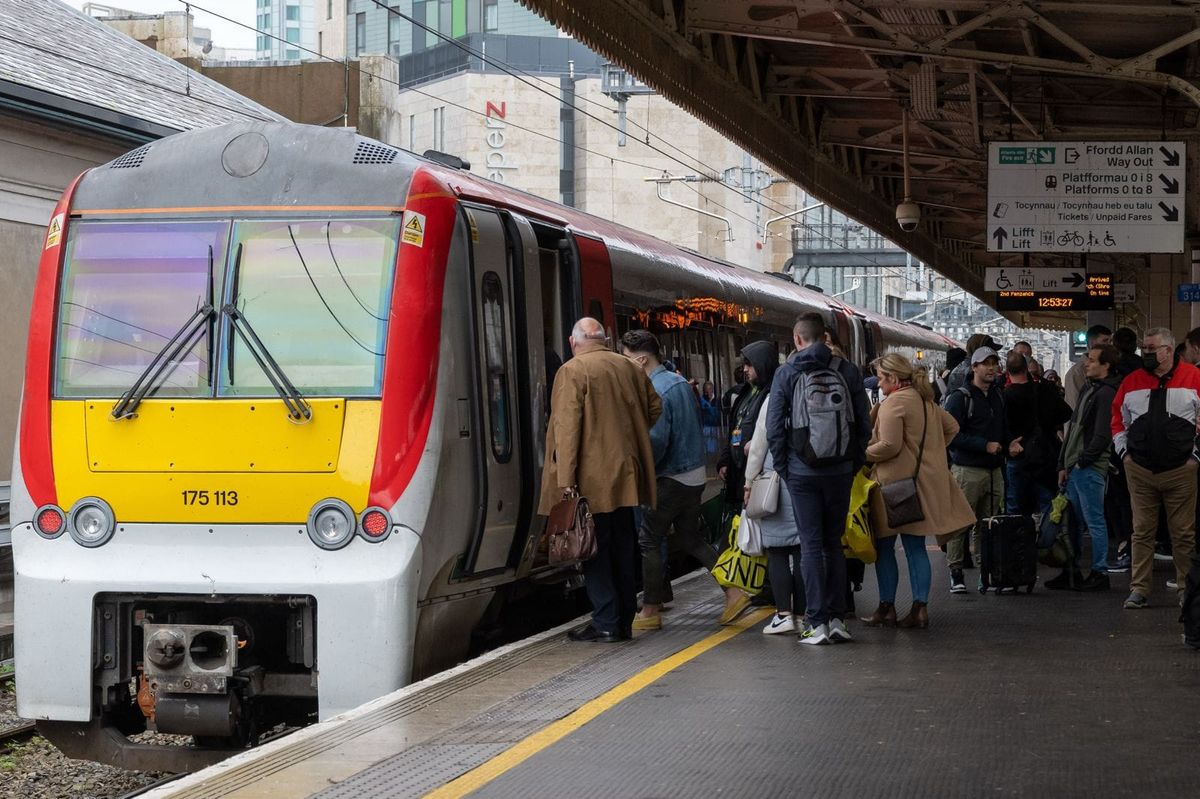
Our transport system is broken.
Chronic road congestion, inefficient bus networks, and major delays to flagship rail and active travel infrastructure condemn us all to daily travel difficulties we’ve learned to endure.
The problem can become so much worse when the city hosts a major event, which is happening all the more frequently. Cardiff deserves far better.
In 2020, the Labour-led council accepted the reality of the problem. Then-cabinet member for transport Caro Wild said the system in Cardiff was “no longer fit for purpose” having been built for a city with a population of 200,000 that had since nearly doubled. Once daily shoppers, commuters and visitors are taken into account, its effective population is more like half a million, according to the council.
The result was the 2020 Transport White Paper. It set out a list of goals to improve the transport network for residents and visitors, respond to the climate emergency, and reduce air pollution by 2030, with lots of deadlines for improvement in between. It’s still the framework the council refers to in its overall planning for transport infrastructure.
As part of the white paper, a delivery timeline was published to let people know when to expect improvements on things like the Metro system, bus services, and cycle infrastructure.
But after six years almost every timeline target has been missed and its central promises – less traffic, greater bus use, and viable alternatives to the car – have fallen way short of the vision. Projects slated for delivery before 2030 appear woefully behind schedule.
Responsibility for failing to deliver such changes of course doesn’t rest solely with the council. The UK Government, Welsh Government, Transport for Wales (TfW), and other public bodies share oversight. And since its publication, there has been a pandemic which could have impacted the delivery of some of the white paper’s targets. Although in 2026, that excuse is beyond wearing thin.
Today, we’re going to look at all those promises made in the 2020 Transport White Paper and see how we’re doing. (Not particularly well.)
New bus station by 2022
We’ll start with some good news.
The Cardiff Bus Interchange on Wood Street was built and opened in 2024, but that was two years behind the white paper’s schedule. And let’s be honest, it was delivered nine years after the former bus station was demolished. A replacement bus station was originally scheduled to open in 2017, but was subject to multiple delays and setbacks. A capital city existing for nearly ten years without a recognisable central bus station is undeniably abysmal.
There’s also widespread frustration that the station was designed strictly for local and regional bus services. Long-distance coach operators like National Express and Flixbus depart from the coach station at Sophia Gardens, North Road, and Park Place which can make it difficult to catch onward rail and bus connections. Arriving at Bute Park late at night with a heavy bag isn’t many people’s idea of a great way to end a long journey.
But still, all being fair, we’ve now got a bus station. Is it the heart of a healthy, well-used, inexpensive bus network with scores of happy users? I wish we had better news.
‘Transforming bus travel’
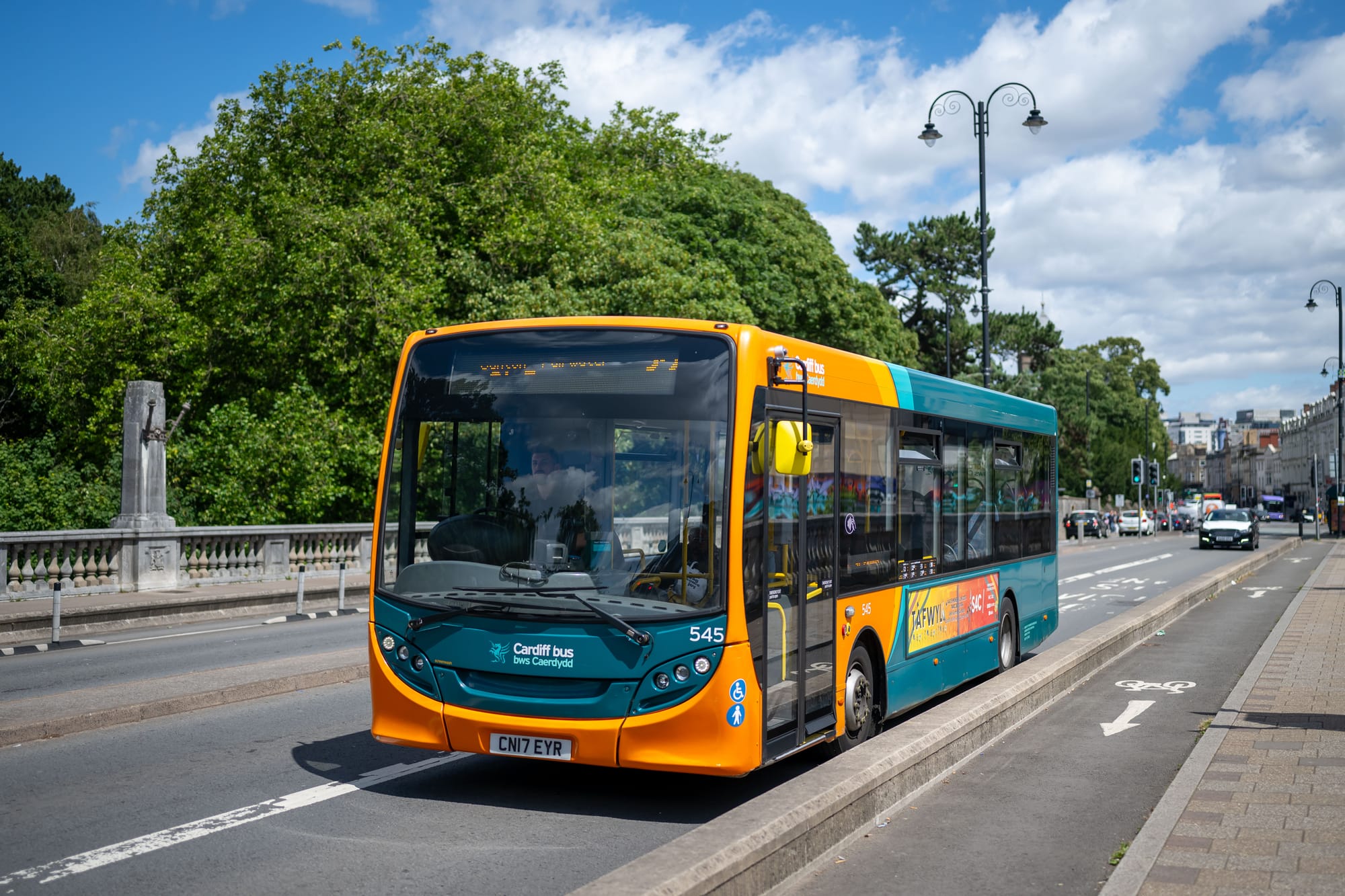
There were several key aims tied up in this one in the transport white paper.
They include:
- Double bus use by 2030.
- Introduce £1 bus fares.
- Make sure all buses are clean, green and efficient by shifting to electric buses and cleaner engines.
- Create new park and ride facilities (seriously, this is in the document).
Let’s start with bus use. According to a July 2026 report published in support of the council’s proposed business parking levy, bus travel in the city is down 20% compared with 2019. This is a worrying trend in the opposite direction of the goal of doubling it by 2030. The council said it received an increased Welsh Government subsidy to maintain minimal levels of service where operators cannot sustain a commercial service, but there’s a clear signal here that people are not finding a useful system that works for them.