Inside the crisis at the Heath
Lessons aren't learned, no one can agree a plan, and people in Cardiff are suffering


The Heath is the place we turn to when we’re in need.
Lives are saved at the hospital every day by the hardworking staff on its frontline.
But they are operating in unsustainable conditions. The crumbling site itself is a highly visible reflection of the hospital’s long decline.
For many years while Labour was in power in Wales, the Heath was a huge headache. Turning it around was often talked about as a priority yet plans would, fittingly, remain stuck on a waiting list, all while its deepening financial problems made change harder to envision.
Reports detailing the struggle inside numerous departments have repeatedly raised the same issues. The hospital is run by Cardiff and Vale University Health Board which 16 months ago was placed under “targeted intervention” by the Welsh Government (one step short of special measures). There is no clear indication of when this will be lifted.
“A culture of learned helplessness” was the grim verdict of an independent report recently commissioned by the Welsh Government. It found staff feel “overwhelmed” by the scale of the problems. Morale was described as the worst it has ever been.
In this investigation we’ll detail some troubling individual cases, including a hugely important facility lost partly due to the hospital’s disrepair, and a woman’s death after a life support machine ran out of battery.
But we’ll also look at how four chronic problems are at the heart of much of the crisis:
1) Lessons aren’t learned.
2) No one can agree on a plan for change.
3) Problems worsen because action is delayed.
4) The people of Cardiff, and Wales, continue to suffer the consequences.
A dilapidated hospital and a vital resource lost
With some 9,500 staff, the Heath, or the University Hospital of Wales, is the biggest hospital in the nation and the tenth biggest in the UK. It plays a critical role not just for the city but for Wales as a whole, with specialised services for the wider population.
Over the last couple of years, I’ve reported on scandals at the hospital on an alarmingly regular basis. Often those stories have come from the families of patients who have been failed, sometimes with tragic consequences. There have also been many cases of staff blowing the whistle on mismanagement.
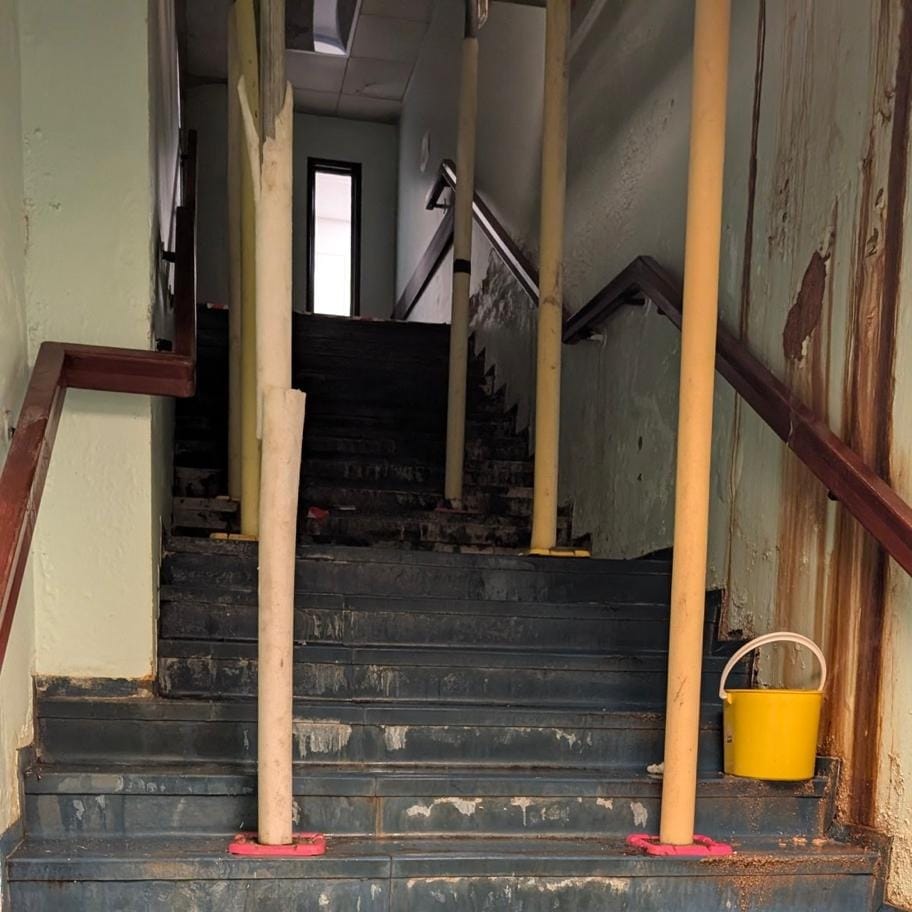
To describe the 1960s-built hospital as rundown would be a woeful understatement, from chronic sewage leaks to pigeon infestations.
It will be a long time before I forget my conversations with a 77-year-old patient who was left shivering for days during a heating failure, or with the family of an 80-year-old who spent some of his final moments in a flooded transport tunnel.
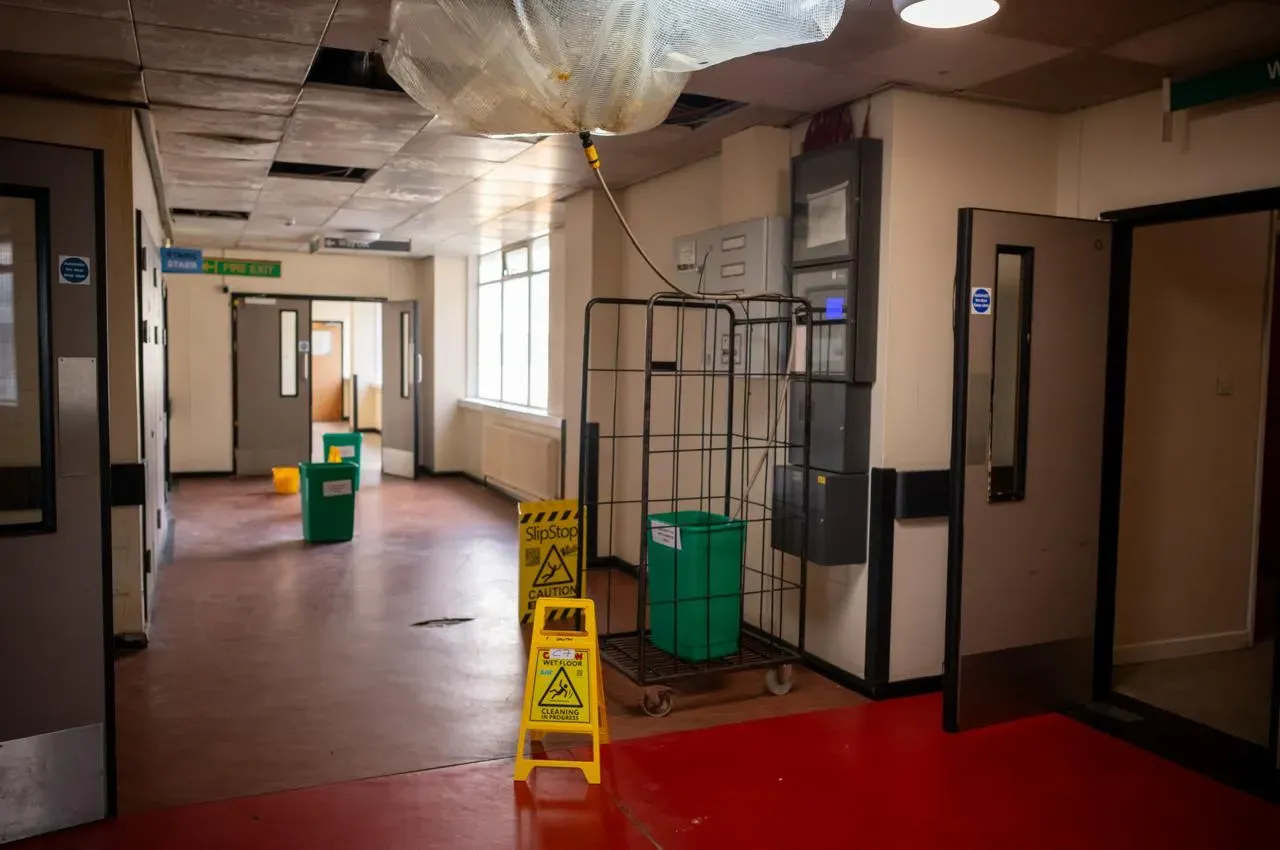
For years staff have shared pictures of water damage and buckets placed in corridors to catch leaks. There was a period of about three weeks last year when visitors were banned from the hospital following a norovirus outbreak, and whistleblowers made clear the physical environment had been a contributing factor. The hospital struggles to maintain basic infection control because it is falling apart.
Seven years ago the health board announced a plan to build a replacement as the hospital was “no longer fit for purpose”. But the project failed to progress and terrible stories like that of Gareth Johnson continued to emerge. The 41-year-old dad lost his life in 2024 after maintenance problems saw him moved to a unit which was not equipped to care for him.
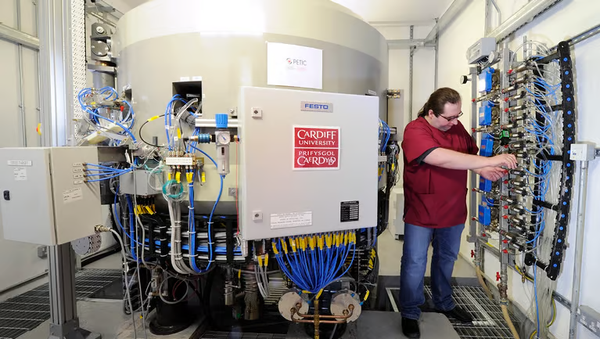
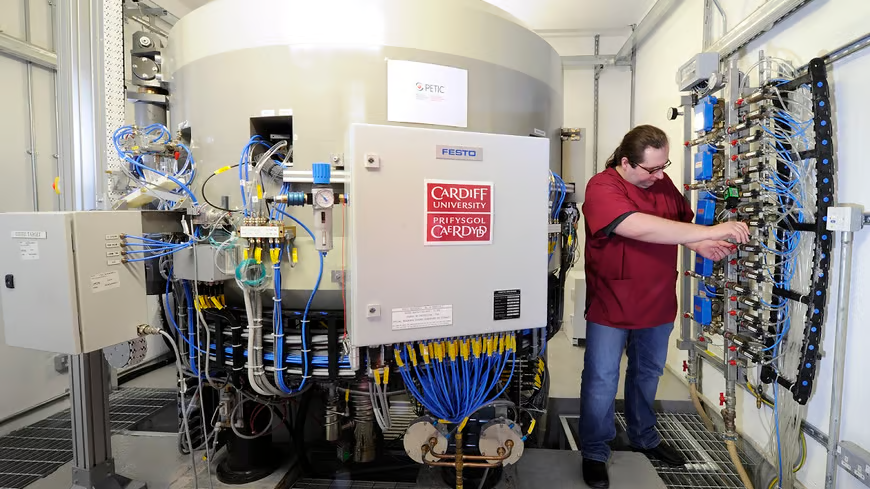
Another consequence of the hospital’s dilapidation, at least in part, is the decommissioning of the cyclotron, a facility that cost around £8m of public money to set up in 2011.
Based at the hospital but owned by Cardiff University, the cyclotron is a particle accelerator that can produce PET tracers. This is a seriously important piece of kit. These radioactive tracers were not only used to scan patients for cancer and other illnesses, but also for vital research.
Earlier this week we revealed the cyclotron is being decommissioned. It’s estimated that shutting down the highly radioactive facility will cost £2m, though the university has declined to confirm who will be paying.
The scanning side of the operation will stay open, but instead of producing its own tracers the centre must now buy them from elsewhere. It means Wales has become the only home nation without a tracer production facility. That puts us at a disadvantage for a range of reasons.
The existing cyclotron needed a £7m refit to continue and the cash-strapped university wasn’t willing to shoulder the cost. Those at the centre tried to gather support from the Welsh Government and the health board to keep it running. Years of meetings followed without much progress.
This is where the hospital’s disrepair comes in. A deal had been lined up to keep the cyclotron open by handing it over to a private firm, but we understand the health board pulled the plug because it worried about the possibility of being sued by the new operator. If, for example, the cyclotron were to be forced out of action for a period because of a power outage or a leak in the roof, it was feared a private tenant could be litigious.
When I first reported on the cyclotron’s uncertain future a month before Plaid Cymru entered government, the party was staunchly opposed to the facility’s closure, describing it as “a huge blow to the sector in Wales which has already lagged behind the rest of the UK under Labour's watch”.
But now it is in power, Plaid is allowing the shutdown to go ahead.
Why is the loss of the cyclotron such a blow?
- Welsh hospitals will be last in line to be involved in trials using new tracers. The centre recently lost an opportunity for a potentially groundbreaking research project.
- Since the cyclotron’s suspension there have been times when patients have suffered from significant delays and scan turnaround targets being missed.
- Wales previously benefited from having its own strong supply of prostate cancer tracers, while many centres in England struggled with a shortage. Now Wales is at the behest of others.
- Excess costs for the transport of tracers from England are estimated at £750,000 per year.
The Welsh NHS has commissioned a report to decide between solely buying in from England or setting up a new facility in south Wales. The latter would cost around £20m, we understand.
So let’s review those numbers. A new cyclotron would cost £13m more than a refit of the Heath one – which the Welsh taxpayer already spent £8m setting up back in 2011, and which is now going to cost £2m to shut down, in part because the hospital estate has been allowed to deteriorate so badly.
It’s a deeply depressing example of how failing to make a stitch in time is now coming back to haunt all those responsible.
The failure to address issues early – and the unnecessary cost that comes later – goes far beyond the cyclotron.